
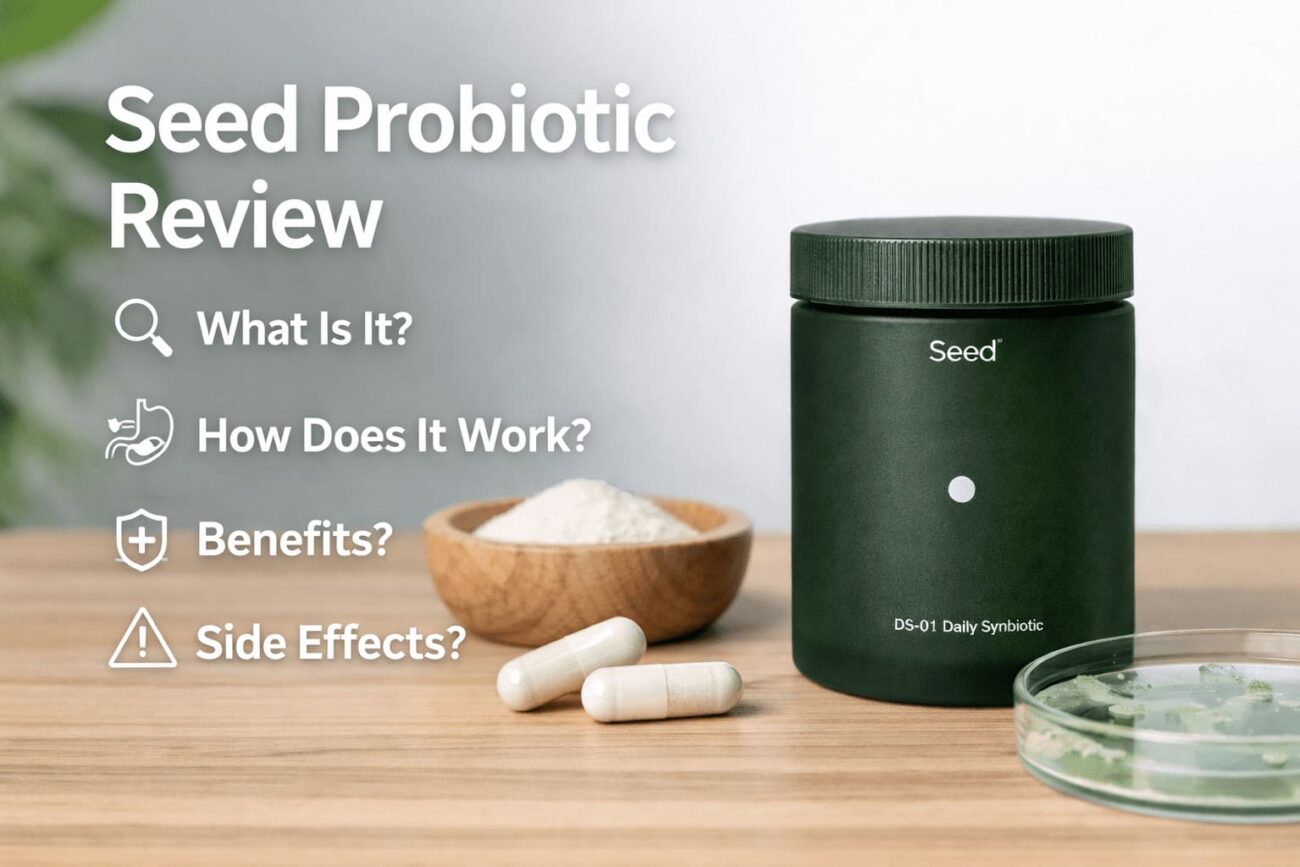
Gut health has now become one of the most important factors for maintaining overall health and wellness. From digestion and immunity to skin and mental health, gut bacteria play a much larger role than most people are aware of. Given this, it is not surprising that probiotics have now become one of the most sought-after supplements worldwide.
While there are many different types of probiotics available today, Seed DS-01 Daily Synbiotic has gained significant attention for its scientifically backed formula and innovative delivery technology. What makes Seed different from many traditional probiotics is that it combines both probiotics and prebiotics in a single formula designed to support digestion, immune function, and overall gut balance.
But does this premium probiotic actually work, or is it simply another expensive supplement?
In this Seed Probiotic Review, we will examine the ingredients, potential benefits, side effects, and scientific research behind this product. We will also compare it with other popular gut health supplements to help you decide whether it is worth adding to your daily wellness routine.
Because gut health is closely connected to other nutrients, many people also combine probiotics with minerals such as magnesium. Magnesium plays an important role in areas like sleep quality, anxiety management, and hormone balance. If you are exploring magnesium supplements as well, you may find these guides helpful:
Best Magnesium Supplements for Sleep (2026)
Magnesium Glycinate vs Citrate
Best Magnesium for Anxiety
Magnesium for PMS – Does It Work?
Magnesium Dosage Guide
Additionally, many women take probiotics specifically to support hormonal balance, digestion, and vaginal health. If that is one of your goals, you may also want to explore our guide on the best probiotics for women.
Now let’s take a closer look at what makes Seed DS-01 Daily Synbiotic different from other probiotic supplements on the market.
What Is Seed Probiotic?
Seed is a microbiome company focused on developing science-based probiotics and gut health supplements. Its flagship product, Seed DS-01 Daily Synbiotic, is designed to support digestive health, immune function, skin health, and overall microbiome balance.
Unlike many traditional probiotics that contain only a few bacterial strains, Seed’s formula includes 24 clinically studied probiotic strains. These strains are carefully selected to support different aspects of health, including digestion, cardiovascular health, gut barrier protection, and micronutrient production.
Seed DS-01 is described as a synbiotic, meaning it combines both probiotics and prebiotics in the same supplement.
Probiotics are beneficial bacteria that help maintain a balanced gut microbiome.
Prebiotics are compounds that act as food for these beneficial bacteria, helping them grow and survive in the digestive system.
Seed also uses a two-in-one capsule technology designed to protect the bacteria from stomach acid so they can reach the intestines, where they are most effective.
Because of these features, Seed has become one of the most widely discussed premium probiotic supplements in the gut health space.
Seed DS-01 Daily Synbiotic Overview
Here is a quick summary of the product:
Product Name: Seed DS-01 Daily Synbiotic
Type: Probiotic + Prebiotic (Synbiotic)
Total Strains: 24 probiotic strains
CFU Count: 53.6 billion AFU (Active Fluorescent Units)
Capsules Per Bottle: 60 capsules
Serving Size: 2 capsules daily
Best For: Gut health, digestion, immune support, and skin health
Seed organizes its probiotic strains into two main categories:
• Digestive Health Strains
• Whole-Body Health Strains
This dual approach is one reason the supplement stands out from many standard probiotic products.
Gut health can also influence sleep quality and stress levels. Some people combine probiotics with magnesium supplements to support overall wellness. If you’re interested in that strategy, you may want to explore our guide to Best Magnesium Supplements for Sleep (2026).
Key Ingredients in Seed Probiotic
Seed DS-01 contains 24 probiotic strains, each selected for specific health benefits. These strains mainly belong to two bacterial groups:
• Lactobacillus
• Bifidobacterium
Below are some of the key probiotic strains included in the formula.
Lactobacillus Plantarum
Lactobacillus plantarum is commonly used in digestive health supplements. It may help support gut barrier integrity and reduce digestive discomfort such as bloating and gas.
Bifidobacterium Longum
This strain has been widely studied for its ability to support immune health and maintain gut balance. It may also help reduce inflammation in the digestive tract.
Lactobacillus Rhamnosus
Lactobacillus rhamnosus is often associated with immune support and digestive health. Some research suggests it may also support skin health and overall microbiome stability.
Bifidobacterium Breve
Bifidobacterium breve is linked to improved digestion and may help promote a balanced gut microbiome.
Prebiotic Components
Seed also includes prebiotic compounds that nourish beneficial bacteria. These ingredients help probiotics survive and remain active in the digestive system.
A balanced gut microbiome may influence many areas of health, including hormone regulation. This is one reason many women use probiotics regularly. If you want to learn more, you can explore our guide on Best Probiotics for Women.
Health Benefits of Seed Probiotic
Because Seed contains multiple probiotic strains, it is designed to support several aspects of health simultaneously.
1. Supports Digestive Health
One of the main reasons people take probiotics is to improve digestion. Seed’s probiotic strains may help maintain a balanced gut microbiome, which can reduce digestive issues such as bloating, irregular bowel movements, and gas.
2. Strengthens the Immune System
Approximately 70% of the immune system is connected to the gut. A healthy gut microbiome may help the body respond more effectively to infections and inflammation.
3. Improves Gut Barrier Function
The gut lining acts as a protective barrier between the digestive system and the bloodstream. Certain probiotic strains may help strengthen this barrier and prevent harmful substances from entering the body.
4. Supports Heart Health
Some probiotic strains included in Seed are associated with improvements in cholesterol levels and overall cardiovascular health.
5. May Improve Skin Health
The digestive system and skin are connected through the gut–skin axis. A balanced microbiome may help reduce inflammation that contributes to skin issues.
Stress and poor sleep can also negatively affect gut health. Because of this, some people combine probiotics with magnesium supplements to support relaxation and sleep quality. If you’re interested in that approach, you can learn more in our guides on Magnesium Glycinate vs Citrate and Best Magnesium for Anxiety.
Seed Probiotic for Gut Health
Gut health is one of the main reasons many people begin using probiotic supplements. The digestive system contains trillions of microorganisms that work together to regulate digestion, immunity, and nutrient absorption. When this balance becomes disrupted, it can contribute to issues such as bloating, irregular digestion, inflammation, and fatigue.
Seed DS-01 Daily Synbiotic is designed to support microbiome balance. The formula includes strains that have been studied for their ability to improve microbial diversity and help maintain digestive stability.
Several probiotic strains in the supplement may help support:
• Healthy digestion
• Reduced bloating and gas
• Balanced gut bacteria
• Improved nutrient absorption
• Stronger gut barrier protection
Seed also uses a two-capsule delivery system designed to protect probiotic bacteria from stomach acid. Many standard probiotics lose effectiveness before they reach the intestines, but this capsule technology helps ensure that beneficial bacteria survive long enough to reach the gut where they can be most effective.
Improving gut health may also influence sleep quality and stress levels. Some people combine probiotics with magnesium supplements to support relaxation and nervous system balance. If you are exploring magnesium as well, you may find our guide on Best Magnesium Supplements for Sleep (2026) helpful.
Seed Probiotic for Women’s Health
Probiotics are frequently recommended for women because the microbiome plays an important role in hormonal balance and immune function. Research suggests that certain probiotic strains may help support vaginal microbiome balance, digestive health, and metabolic function.
Seed DS-01 contains several strains that may support women’s health in multiple ways.
Hormonal Balance Support
Gut bacteria influence how hormones such as estrogen are processed in the body. A balanced microbiome may help regulate hormone activity and reduce symptoms associated with hormonal fluctuations.
Vaginal Microbiome Support
Certain probiotic strains may help maintain healthy vaginal flora, which plays an important role in preventing infections and supporting reproductive health.
Digestive Comfort
Hormonal changes can sometimes affect digestion. Probiotics may help reduce symptoms such as bloating or digestive discomfort that occasionally occur during hormonal shifts.
If you are specifically looking for probiotics designed for female health, you may also find our guide on Best Probiotics for Women helpful.
Hormonal balance is also connected with certain nutrients. For example, magnesium may help support PMS symptoms and muscle relaxation. You can learn more in our guide, Magnesium for PMS – Does It Work?
Scientific Research Behind Seed
One factor that distinguishes Seed from many probiotic supplements is its strong focus on scientific research. The company collaborates with microbiome scientists, clinicians, and academic institutions to study the effectiveness of probiotic strains.
Many of the strains included in Seed DS-01 have been examined in clinical research related to gut health, immune function, and inflammation. These strains belong mainly to two well-studied bacterial groups:
• Lactobacillus
• Bifidobacterium
Research suggests these bacteria may help maintain microbial balance and support digestive health. However, probiotic effects can vary depending on the individual and the current state of their gut microbiome.
Lifestyle factors also influence gut health. Diet, stress levels, sleep quality, and nutrient intake all play important roles in maintaining a healthy digestive system. For example, magnesium supports the nervous system and muscle relaxation, which may indirectly benefit digestion. If you want to explore this further, you can read our Magnesium Dosage Guide.
Potential Side Effects
Most probiotics are considered safe for healthy adults. However, some people may notice mild digestive changes when beginning a new supplement.
Possible temporary side effects include:
• Mild bloating
• Gas
• Changes in bowel movements
• Temporary digestive discomfort
These symptoms usually occur because the gut microbiome is adjusting to the introduction of new bacteria. In many cases, they resolve within a few days or weeks.
Individuals with compromised immune systems or serious medical conditions should consult a healthcare professional before starting any probiotic supplement.
Who Should Use Seed Probiotic
Seed DS-01 may be beneficial for individuals who want to support overall microbiome health.
This supplement may be useful for people who:
• Experience frequent bloating or digestive discomfort
• Want to improve gut microbiome balance
• Are interested in immune system support
• Want to support skin or metabolic health
• Are looking for a high-quality probiotic supplement
Probiotics can also complement other wellness strategies, such as good sleep and stress management. Some people combine probiotics with magnesium to support relaxation and recovery. If sleep improvement is a priority, you may want to explore our comparison guide, Magnesium Glycinate vs Citrate.
Who Should Avoid It
Although probiotics are generally safe, certain individuals should exercise caution.
You may want to consult a healthcare professional before taking Seed if you:
• Have a compromised immune system
• Recently had major surgery
• Are undergoing medical treatments that affect the immune system
• Have severe gastrointestinal disorders
Pregnant or breastfeeding individuals should also consult a healthcare professional before starting any new supplement.
Seed Probiotic Dosage and How to Take It
The recommended dosage for Seed DS-01 Daily Synbiotic is two capsules per day. These capsules use a nested delivery system designed to protect probiotic strains as they move through the digestive tract.
For most individuals, the brand suggests the following routine:
Week 1:
Take one capsule per day to allow the body to gradually adjust.
Week 2 and beyond:
Take two capsules daily, ideally on an empty stomach.
The capsules can be taken in the morning or between meals. Consistency is important because probiotics tend to work best when used regularly over time.
Gut health supplements are sometimes combined with other nutrients that support digestion and the nervous system. For example, magnesium plays a role in muscle relaxation and sleep quality. If you are exploring that option, you may want to read our guide on Best Magnesium Supplements for Sleep (2026).
Pros and Cons
Like most supplements, Seed DS-01 has both strengths and limitations. Understanding both can help determine whether it fits your needs.
Pros
• Contains 24 clinically studied probiotic strains
• Uses a synbiotic formula (probiotics + prebiotics)
• Advanced capsule technology helps protect bacteria from stomach acid
• Supports digestive health, immune function, and microbiome balance
• Vegan, gluten-free, and free from many common allergens
• Backed by microbiome research and clinical studies
Cons
• More expensive than many standard probiotic supplements
• Available primarily through a subscription model
• Some users may experience temporary digestive adjustments
For people who prioritize research-based supplements, these advantages may justify the higher price.
Seed Probiotic Pricing and Subscription
Seed DS-01 is mainly sold through a monthly subscription service.
Typical pricing structure:
Monthly Subscription: about $49.99 per month
Capsules per bottle: 60 capsules (30-day supply)
The subscription includes automatic refills and a reusable glass container system designed to reduce plastic waste.
Compared with many generic probiotic supplements, Seed is positioned as a premium microbiome product.
You can learn more directly from the official website:
External source:
https://seed.com/daily-synbiotic
Seed Probiotic Alternatives
Although Seed DS-01 is a popular option, several other probiotics may also support gut health depending on your goals.
Some alternatives include:
• Garden of Life Dr. Formulated Probiotics
• Culturelle Daily Probiotic
• Align Probiotic Supplement
• Ritual Synbiotic+
Each supplement contains different probiotic strains and CFU counts, so the best choice may vary depending on individual needs.
Women who want probiotics designed specifically for hormonal balance and vaginal health may benefit from exploring our guide on Best Probiotics for Women.
Final Verdict: Is Seed Probiotic Worth It?
Seed DS-01 Daily Synbiotic stands out in the probiotic market because of its research-based formula and innovative delivery technology. The supplement combines probiotics and prebiotics in a formulation designed to support multiple aspects of health, including digestion, immunity, and microbiome balance.
For individuals looking for a high-quality probiotic backed by scientific research, Seed may be a strong option. The formula includes numerous well-studied bacterial strains and uses technology designed to help probiotics survive the digestive process.
However, the premium price may not be necessary for everyone. Some individuals may experience similar digestive benefits from more affordable probiotics depending on their needs.
Overall, Seed DS-01 is a well-designed supplement for people who prioritize microbiome health and want a comprehensive probiotic formula.
Gut health also connects with sleep quality, stress management, and hormone balance. Nutrients such as magnesium are often used alongside probiotics to support overall wellness. If you want to explore this topic further, you may find these guides helpful:
• Magnesium Glycinate vs Citrate
• Best Magnesium for Anxiety
• Magnesium for PMS – Does It Work?
• Magnesium Dosage Guide
Frequently Asked Questions (FAQ)
Is Seed probiotic good for gut health?
Seed DS-01 contains multiple probiotic strains that may support digestive balance, gut barrier function, and microbiome diversity. Many users take it to help improve digestion and reduce bloating.
How long does the Seed probiotic take to work?
Some people notice digestive improvements within 1–2 weeks, although full microbiome changes may take several weeks of consistent use.
Can Seed probiotic help with bloating?
Probiotic strains may help support a balanced gut microbiome, which can reduce symptoms such as bloating and digestive discomfort for some individuals.
Is Seed probiotic safe for daily use?
For most healthy adults, probiotics are generally considered safe when taken as directed. However, individuals with medical conditions should consult a healthcare professional before starting any supplement.
Can probiotics improve sleep or mood?
Gut health is linked to the nervous system through the gut–brain axis. While probiotics mainly support digestion, nutrients such as magnesium may help improve relaxation and sleep quality. If you want to learn more, see our guide on Best Magnesium Supplements for Sleep (2026).
Medical Disclaimer
The information presented in this article is intended for educational and informational purposes only and should not be interpreted as medical advice. The content is not designed to diagnose, treat, cure, or prevent any disease.
Always consult a qualified healthcare professional or licensed physician before starting any new supplement, medication, or health program—especially if you are pregnant, breastfeeding, taking prescription medications, or managing an existing medical condition.
Individual results may vary. The supplements discussed in this article are not intended to replace professional medical guidance, diagnosis, or treatment.
About The Author
