
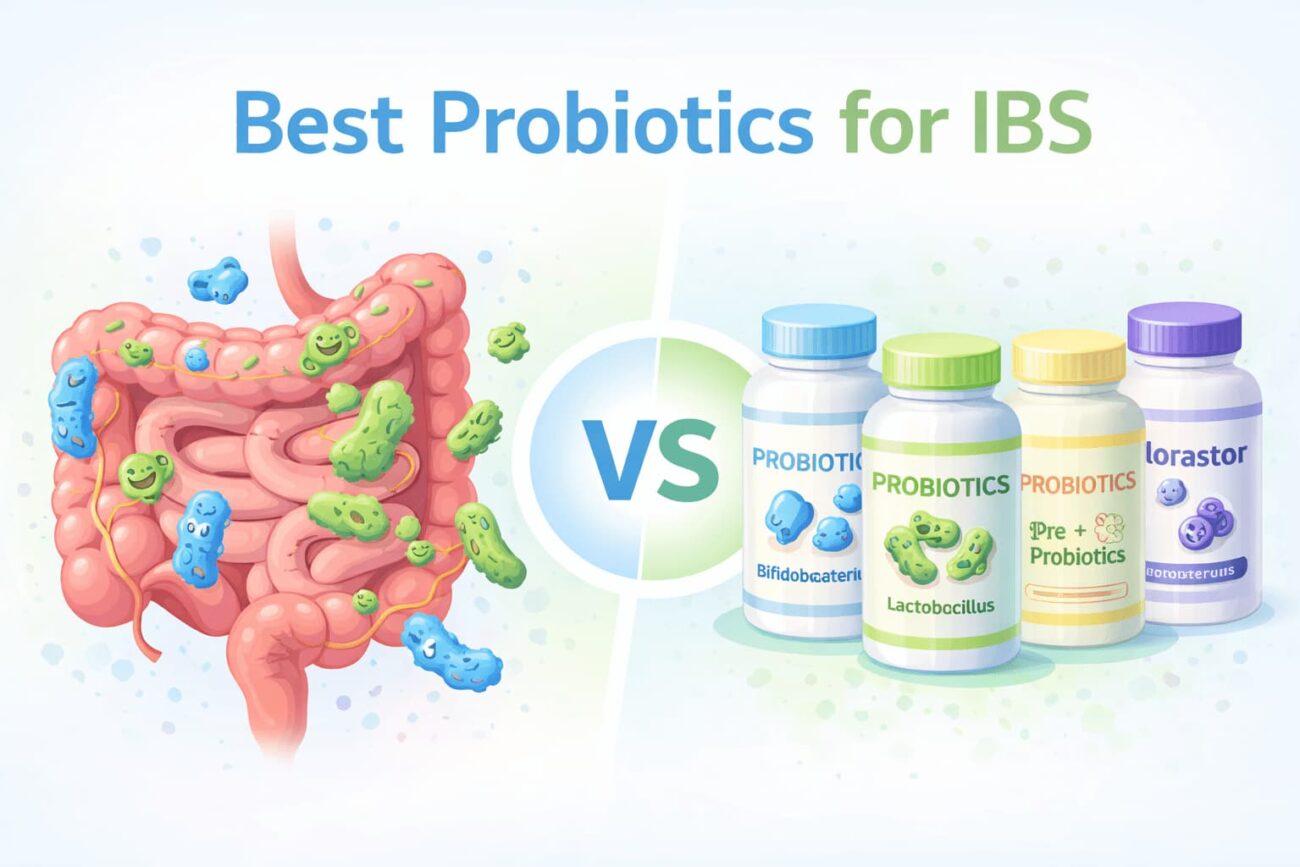
Irritable Bowel Syndrome (IBS) is one of the most common digestive disorders worldwide. It can lead to symptoms such as abdominal pain, bloating, gas, diarrhea, and constipation. These symptoms often develop due to an imbalance in the gut microbiome and disruptions in digestive system function.
Many people are now exploring the best probiotics for IBS as a natural way to support digestive health. Probiotics are beneficial bacteria that help maintain balance in the gut microbiome. When this balance is disrupted, digestive discomfort and IBS symptoms may become more noticeable.
Research suggests that certain probiotic strains may help support gut balance and potentially reduce IBS symptoms for some individuals. These beneficial bacteria may improve digestion, regulate bowel movements, and help reduce inflammation in the digestive tract.
According to the National Institutes of Health (NIH), probiotics may support digestive health and microbiome balance when used appropriately.
https://www.nih.gov/
In this guide, we will explore the best probiotics for IBS, the probiotic strains that may help relieve symptoms, and how to choose the right supplement for digestive support.
If you want to learn more about gut health supplements, you may also find these guides helpful:
- Seed Probiotic Review
- Best Probiotics for Bloating
- Probiotics vs Prebiotics
- Best Probiotics for Women
Some individuals also combine probiotics with nutrients that support relaxation and digestion. For example, magnesium plays an important role in muscle relaxation and sleep quality. You can explore these related guides as well:
What Is IBS?
Irritable Bowel Syndrome (IBS) is a common digestive condition that affects the large intestine. People with IBS may experience symptoms such as abdominal pain, bloating, gas, diarrhea, or constipation. These symptoms can range from mild to severe and may occur frequently or come and go over time.
Although the exact cause of IBS is not fully understood, researchers believe it may be associated with several factors, including:
- Imbalance in gut bacteria
- Sensitivity in the digestive system
- Inflammation in the gut
- Stress and lifestyle factors
- Changes in gut motility
Because gut bacteria play a major role in digestion, many individuals search for the best probiotics for IBS to help restore balance in the gut microbiome.
According to research from the National Institutes of Health, probiotics may help support digestive health and improve microbiome balance in some individuals.
https://www.nih.gov/
Understanding how the gut microbiome works is also important when comparing digestive supplements. For example, our guide on Probiotics vs Prebiotics explains how beneficial bacteria and dietary fiber work together to support digestive health.
How Probiotics May Help IBS
Probiotics are beneficial bacteria that support the digestive system and help maintain a balanced gut microbiome. Many people with digestive discomfort explore the best probiotics for IBS because certain strains may help improve gut balance.
Below are several ways probiotics may help support digestive health.
Support Gut Microbiome Balance
The gut microbiome contains trillions of bacteria that influence digestion and overall health. When harmful bacteria outnumber beneficial bacteria, digestive symptoms may worsen. Probiotics may help restore balance by introducing beneficial microorganisms.
Improve Digestive Function
Some probiotic strains help break down food and support nutrient absorption. This may help improve digestion and reduce symptoms such as bloating and gas.
If bloating is one of your main symptoms, you may also want to explore our guide on Best Probiotics for Bloating, which discusses probiotic strains linked to digestive comfort.
Help Regulate Bowel Movements
IBS can cause irregular bowel movements, including diarrhea or constipation. Certain probiotic strains may help regulate gut motility and improve digestive stability.
Reduce Digestive Inflammation
Some probiotic strains may support the gut lining and help reduce inflammation in the digestive tract. This may contribute to improved digestive comfort for some individuals.
Best Probiotics for IBS (Top Options)
Several probiotic supplements contain bacterial strains that have been studied for digestive health and IBS symptoms. Below are some commonly recommended options.
1. Seed DS-01 Daily Synbiotic
Seed DS-01 Daily Synbiotic is a synbiotic supplement that combines probiotics and prebiotics in a single formula. It contains multiple probiotic strains designed to support digestion, gut barrier function, and microbiome balance.
If you want a deeper analysis of this supplement, you can read our Seed Probiotic Review.
2. Align Probiotic Supplement
Align contains the probiotic strain Bifidobacterium 35624, which is often studied for digestive support and IBS symptoms.
3. Culturelle Daily Probiotic
Culturelle includes Lactobacillus rhamnosus GG, a widely researched probiotic strain known for supporting digestive health and microbiome balance.
4. Garden of Life Dr. Formulated Probiotics
This probiotic supplement contains multiple bacterial strains designed to support digestive health and improve microbiome diversity.
5. Florastor Probiotic
Florastor contains Saccharomyces boulardii, a beneficial yeast probiotic that may help support digestive balance.
Many individuals researching the best probiotics for IBS prefer supplements with multiple probiotic strains, since different strains may support different aspects of gut health.
Key Probiotic Strains for IBS
Not all probiotics provide the same benefits. Some bacterial strains have been studied more extensively for digestive health and may help reduce IBS symptoms such as bloating, gas, and irregular bowel movements. When searching for the best probiotics for IBS, it’s helpful to choose supplements that include well-researched strains.
Bifidobacterium infantis
Bifidobacterium infantis is one of the most researched probiotic strains for IBS. Studies suggest it may help reduce symptoms such as abdominal discomfort, bloating, and irregular digestion.
Lactobacillus plantarum
This strain is frequently included in probiotics designed for digestive health. It may help support gut barrier function and reduce gas production in the digestive tract.
Lactobacillus rhamnosus
Lactobacillus rhamnosus is commonly used in probiotic supplements to support gut microbiome balance and immune function.
Saccharomyces boulardii
Unlike most probiotics, Saccharomyces boulardii is a beneficial yeast. It may help maintain digestive balance and support gut health during digestive disturbances.
Understanding probiotic strains can help individuals select the best probiotics for IBS to support digestive comfort and microbiome balance.
How to Choose the Best Probiotic for IBS
Choosing the right probiotic for IBS depends on several factors, including the bacterial strains used, supplement quality, and individual digestive needs.
Look for Clinically Studied Strains
Probiotic supplements containing strains supported by research may offer better digestive support. Always check the ingredient label to identify specific bacterial strains.
Check the CFU Count
CFU (colony-forming units) indicates the number of live bacteria in a probiotic supplement. Many probiotic products contain between 5 billion and 50 billion CFU.
Choose Multi-Strain Formulas
Multi-strain probiotics include several beneficial bacteria that may support different aspects of gut health.
Consider Synbiotic Supplements
Some supplements combine probiotics and prebiotics in a single formula. These are known as synbiotics because the prebiotics help nourish the beneficial bacteria.
Our guide on Probiotics vs Prebiotics explains how these two components work together to support gut microbiome health.
Probiotic Foods for IBS
In addition to supplements, many fermented foods naturally contain beneficial bacteria that may support digestive health. Including probiotic foods in your diet may help improve microbiome diversity.
Common probiotic foods include:
- Yogurt with live cultures
- Kefir
- Kimchi
- Sauerkraut
- Kombucha
- Miso
These foods contain beneficial bacteria that may support digestion and microbiome balance.
Some people also combine probiotic foods with fiber-rich prebiotic foods such as oats, bananas, and garlic to help nourish beneficial gut bacteria.
Potential Side Effects of Probiotics
Probiotics are generally considered safe for most healthy adults. However, some individuals may experience mild digestive changes when starting a probiotic supplement.
Possible side effects may include:
- Mild bloating
- Temporary gas
- Digestive adjustment
- Changes in bowel movements
These symptoms usually improve after the body adapts to the new bacteria in the digestive system.
Individuals with weakened immune systems or serious health conditions should consult a healthcare professional before using probiotic supplements.
Final Thoughts
Finding the best probiotics for IBS may help improve digestive comfort and support a balanced gut microbiome. Certain probiotic strains may help reduce symptoms such as bloating, gas, and irregular bowel movements in some individuals.
However, probiotics may not work the same way for everyone. Choosing high-quality probiotic supplements, maintaining a balanced diet, and managing stress can help support overall digestive health.
Learning more about gut health supplements can also help individuals make informed decisions about digestive wellness. If you want to explore related topics, these guides may be helpful:
Frequently Asked Questions
What are the best probiotics for IBS?
The best probiotics for IBS often include strains such as Bifidobacterium infantis, Lactobacillus plantarum, and Lactobacillus rhamnosus, which may support digestive balance.
Can probiotics help reduce IBS symptoms?
Certain probiotic strains may help improve gut microbiome balance and reduce symptoms such as bloating, gas, and irregular digestion.
How long do probiotics take to work for IBS?
Some individuals notice digestive improvements within 1–2 weeks, while others may require several weeks of consistent use.
Are probiotics safe for IBS?
Probiotics are generally considered safe for most healthy adults. However, individuals with medical conditions should consult a healthcare professional before starting new supplements.
Medical Disclaimer
The information provided in this article is for educational and informational purposes only and should not be considered medical advice. The content is not intended to diagnose, treat, cure, or prevent any disease.
Always consult a qualified healthcare professional before starting any supplement or making changes to your health routine.
About The Author
