
Picture this: Sarah, a 34-year-old teacher, had been brushing off her morning dizziness for months. She assumed it was just stress — until she fainted in her classroom. Her diagnosis? Chronic hypotension triggered by a combination of dehydration and an overlooked medication side effect. She is far from alone.
With over 33,000 monthly searches for “low blood pressure causes,” it is clear that millions of people are quietly struggling with a condition that gets far less attention than high blood pressure — yet can be just as disruptive. Research shows that hypotension affects roughly 1 in 5 adults at some point in their lives, with prevalence rising sharply after age 65.
Low blood pressure — medically called hypotension — is defined as a blood pressure reading below 90/60 mmHg. Unlike hypertension, it rarely comes with a dramatic warning. Instead, it creeps in through symptoms many people dismiss: persistent fatigue, brief dizzy spells when standing up, a foggy mind in the afternoon, or unexplained nausea after meals.
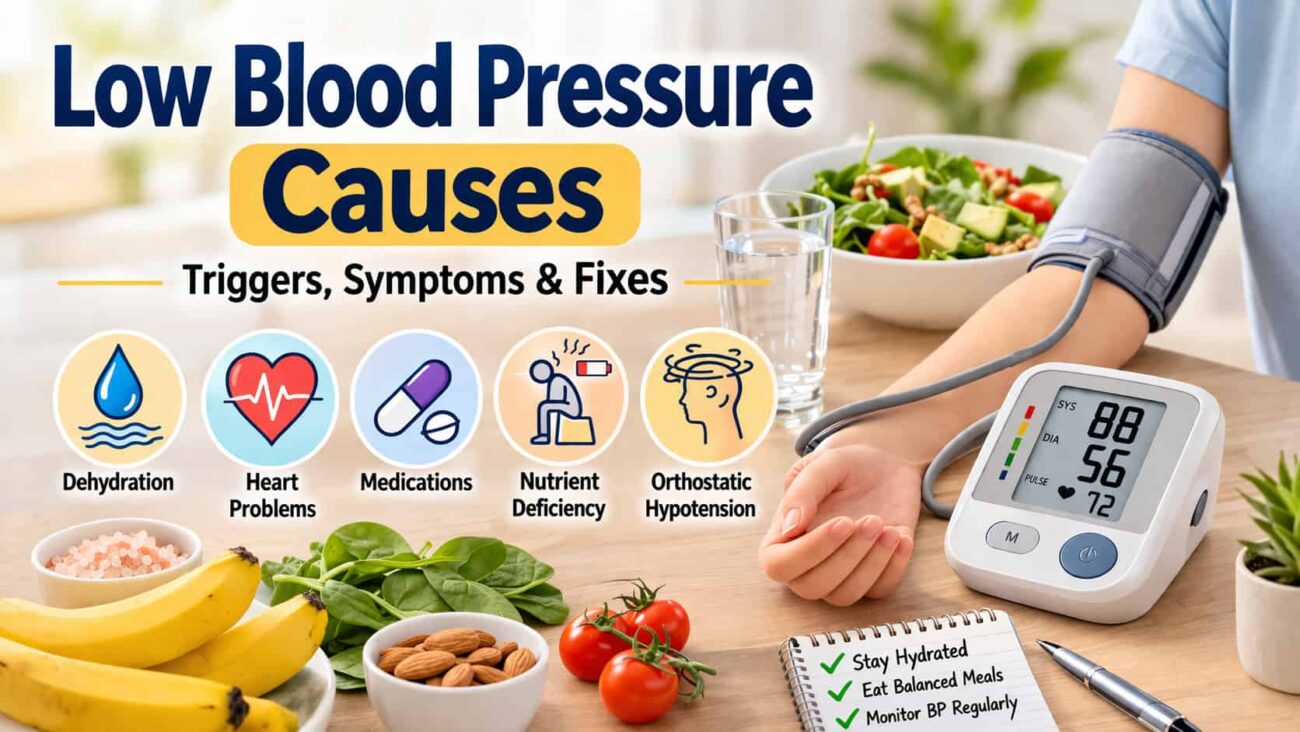
What causes low blood pressure? The most common low blood pressure causes are dehydration, heart conditions (arrhythmias, heart failure), certain medications (diuretics, beta-blockers), endocrine disorders like diabetes and thyroid disease, orthostatic hypotension, pregnancy, nutritional deficiencies (B12, iron, folate), and post-meal blood pooling.
In this 2026 guide, we break down the 7 hidden triggers behind low blood pressure, explain exactly how to read your own low blood pressure reading, and give you a doctor-backed, step-by-step plan for low blood pressure treatment — including the best low blood pressure foods and evidence-based supplements that may support healthy circulation.
Whether you are asking low blood pressure — how dangerous is it? or simply want to stop the dizzy spells, this guide gives you the science-backed answers you need. Let us start with the basics.
What Is Low Blood Pressure? Definition, Readings & Risk Levels
Blood pressure is the force your blood exerts against the walls of your arteries as your heart pumps. It is recorded as two numbers: systolic (the pressure when your heart beats) over diastolic (the pressure between beats). A normal reading sits around 120/80 mmHg.
When either number — or both — drops too low, your organs and tissues do not receive enough oxygenated blood. That is hypotension, and a low blood pressure reading is officially defined as below 90/60 mmHg by the Mayo Clinic and the American Heart Association (AHA).
However, context matters enormously. Some healthy, physically fit adults naturally run at 100/65 mmHg with no symptoms and no health risk whatsoever. The problem arises when low blood pressure is new for you, is trending downward, or is accompanied by symptoms. That is when it becomes clinically significant.
Blood Pressure Reading Reference Table
| Category | Systolic (mmHg) | Diastolic (mmHg) | Risk Level |
|---|---|---|---|
| Optimal / Normal | Less than 120 | Less than 80 | ✅ Ideal |
| Elevated | 120–129 | Less than 80 | ⚠️ Monitor |
| High (Stage 1) | 130–139 | 80–89 | ⚠️ Act |
| High (Stage 2) | 140+ | 90+ | 🔴 Dangerous |
| Low (Hypotension) | Below 90 | Below 60 | 🔴 Investigate |
| Severe Hypotension | Below 70 | Below 40 | 🚨 Emergency |
There are also distinct types of hypotension — orthostatic (sudden drop on standing), postprandial (after eating), neurally mediated (nervous system misfire), and severe (from shock or sepsis). Understanding which type you have is key to choosing the right low blood pressure treatment.
Now that you understand what qualifies as low, let us get to the heart of this guide: the seven hidden low blood pressure causes you need to know about.
Top 7 Low Blood Pressure Causes: The Hidden Triggers Behind Hypotension
Understanding the low blood pressure causes behind your specific symptoms is the only reliable path to effective treatment. Below, each cause is explored with the clinical detail you need — backed by guidance from the Mayo Clinic, Cleveland Clinic, and peer-reviewed research.
1 Dehydration & Low Blood Volume
Water is the literal vehicle your cardiovascular system runs on. When you are dehydrated, your total blood volume shrinks, meaning there is less fluid pushing against arterial walls — and blood pressure falls. This is the single most common of all low blood pressure causes, and it is often entirely preventable.
Even mild dehydration — defined as losing just 1–2% of your body weight in water — can cause lightheadedness and low blood pressure, particularly in older adults whose thirst response weakens with age. Diarrhoea, vomiting, fever, and excessive sweating accelerate fluid loss dramatically.
The blood volume effect is compounded when sodium — the electrolyte that helps retain fluid in the bloodstream — is also depleted. This is why athletes doing intense training in the heat are particularly vulnerable. Studies show that plasma volume can drop by up to 10–12% within 60 minutes of moderate-intensity exercise in warm conditions without adequate hydration.
Fix it: Aim for 2–3 litres of water daily, increase intake during illness or physical activity, and include sodium-potassium electrolyte support. Magnesium also plays a supporting role in vascular function — learn more in our guide to symptoms of magnesium deficiency.
2 Heart Conditions (Arrhythmias, Heart Failure, Valve Problems)
Your heart is the pump. When that pump misfires, output falls — and with it, blood pressure. Several cardiac conditions directly cause hypotension.
Arrhythmias (irregular heartbeats) can reduce the heart’s efficiency by 20–40%, meaning less blood is ejected per beat. Heart failure — where the heart muscle is weakened — results in chronically reduced cardiac output. Heart valve disease (particularly aortic stenosis) restricts blood flow out of the heart. Even a bradycardia (a heart rate below 60 bpm that is abnormal, not athletic) can cause BP to drop simply because the heart is not beating often enough to maintain pressure.
According to the Cleveland Clinic, cardiac causes of hypotension are especially important to rule out in adults over 50, or anyone with known cardiovascular risk factors. A resting ECG and echocardiogram are standard first-line investigations.
Fix it: This requires medical evaluation and treatment — do not attempt to self-manage low blood pressure if a cardiac cause is suspected. Lifestyle support includes consistent exercise, stress management, and heart-healthy nutrition including omega-3 rich foods.
3 Medications (Diuretics, Beta-Blockers, Alpha-Blockers, Antidepressants)
One of the most overlooked low blood pressure causes is the medication cabinet. A surprisingly wide range of prescribed drugs can lower BP as a primary effect or as a side effect.
Diuretics (e.g., furosemide, hydrochlorothiazide) reduce blood volume by increasing urine output — essentially causing controlled dehydration. Beta-blockers (e.g., metoprolol, atenolol) slow the heart rate and reduce contraction strength. Alpha-blockers (e.g., doxazosin, tamsulosin) relax blood vessels. Calcium channel blockers reduce cardiac output. Even tricyclic antidepressants and some Parkinson’s medications are well-documented triggers of orthostatic hypotension.
Research published in Drugs & Aging (2022) indicates that medication-induced hypotension is responsible for up to 23% of symptomatic falls in adults over 65 — making this one of the most clinically important low blood pressure causes to screen for.
Fix it: Never stop a prescribed medication without consulting your doctor. However, if you started a new medication and developed dizziness or low BP readings, report this to your prescriber immediately. Dose timing adjustments or alternative drug classes may resolve the issue completely.
4 Endocrine Disorders (Diabetes, Thyroid Disease, Adrenal Insufficiency)
Your endocrine system regulates fluid balance, vascular tone, and heart function through hormones. When these signals go wrong, blood pressure is directly affected.
Hypothyroidism slows heart rate and reduces cardiac contractility, both of which lower BP. Adrenal insufficiency (Addison’s disease) causes critically low levels of aldosterone — the hormone that tells the kidneys to retain sodium and water. Without adequate aldosterone, blood volume plummets. Type 1 and Type 2 diabetes damage autonomic nerves over time (diabetic autonomic neuropathy), impairing the nervous system signals that regulate blood vessel tone — a key mechanism behind postural hypotension in diabetic patients.
Studies estimate that 30–50% of long-term diabetics develop some degree of autonomic dysfunction that affects blood pressure regulation, particularly orthostatic drops upon standing.
Fix it: Blood tests (TSH, cortisol, HbA1c, fasting glucose) can identify these conditions. Treatment of the underlying endocrine disorder typically resolves or significantly improves hypotension. Nutritional support for blood sugar balance — including berberine and magnesium — is explored in our berberine review and magnesium glycinate guide.
5 Orthostatic Hypotension (The “Stand-Up Dizzy” Syndrome)
Orthostatic (or postural) hypotension is a specific and very common subtype — it is the sudden dizziness or brief vision blackout that hits when you stand up quickly from a chair or bed. Studies suggest it affects up to 30% of adults over 65, and it is one of the leading causes of falls-related hospitalisations in older populations.
Normally, when you stand, the autonomic nervous system instantly constricts blood vessels in the lower body to counteract gravity and maintain cerebral blood flow. In orthostatic hypotension, this reflex is delayed or blunted. Blood temporarily pools in the legs and abdomen, and systolic BP drops by 20 mmHg or more within three minutes of standing — the clinical definition used by the Mayo Clinic.
Triggers include dehydration (the most common), prolonged bed rest, medications, Parkinson’s disease, and autonomic neuropathy. Even a hot shower or large meal can provoke an episode by dilating blood vessels or diverting blood to digestion.
Fix it: Rise slowly in stages (lying → sitting → standing), dorsiflex your feet before standing, wear graduated compression stockings (30–40 mmHg), and ensure adequate hydration. Compression socks are one of the most evidence-backed, non-pharmacological tools for orthostatic hypotension.
6 Pregnancy & Nutritional Deficiencies (B12, Folate, Iron)
During pregnancy, particularly in the first and second trimesters, the circulatory system expands dramatically. The growing uterus requires more blood volume, hormones relax blood vessel walls, and overall vascular resistance drops — all of which contribute to physiologically lower blood pressure that is normal but can cause symptoms.
Beyond pregnancy, nutritional deficiencies are an underappreciated group of low blood pressure causes. Vitamin B12 deficiency leads to a reduced production of healthy red blood cells (megaloblastic anaemia), shrinking the oxygen-carrying capacity of the blood. Folate deficiency works similarly. Iron deficiency anaemia — affecting an estimated 25% of the global population according to the World Health Organization (WHO) — reduces haemoglobin levels, decreasing blood viscosity and the volume of oxygen transported per beat, which lowers peripheral resistance and BP.
Signs that a nutritional deficiency may be contributing include extreme fatigue, pale skin, shortness of breath on minimal exertion, and tingling in the hands or feet (B12-specific).
Fix it: A full blood count (FBC) and vitamin panel can identify anaemia and deficiencies within days. Supplementing with B12, folate, and iron (under guidance) often produces noticeable BP and energy improvements within 4–8 weeks. For fatigue linked to magnesium, explore our guide to best magnesium supplements.
7 Post-Meal Drops (Postprandial Hypotension) & Severe Infections
Postprandial hypotension — a BP drop of 20 mmHg or more within 1–2 hours of eating — affects an estimated 1 in 3 older adults and is one of the least-discussed low blood pressure causes. After a large meal, blood is diverted to the digestive tract to aid absorption. Normally, the cardiovascular system compensates instantly. When this compensation is impaired (due to ageing, autonomic dysfunction, or medications), blood pressure drops and symptoms appear — typically fatigue, dizziness, or sleepiness after eating.
At the other extreme, sepsis (systemic infection) is the most dangerous cause of hypotension. When a severe infection enters the bloodstream, bacterial toxins cause widespread vasodilation and fluid leakage from blood vessels. The result is septic shock, where blood pressure can fall catastrophically and tissue perfusion fails. This is a medical emergency with a mortality rate of 20–50% without prompt ICU treatment, according to the National Institute of General Medical Sciences (NIH).
Less severely, any systemic infection — flu, COVID-19, urinary tract infection — can temporarily lower blood pressure through fever-related vasodilation and dehydration.
Fix it: For postprandial hypotension, eat smaller, more frequent meals, reduce refined carbohydrate portions, and rest after eating (avoid standing immediately). Gut health also plays a surprising role in blood pressure regulation — explore the connection in our probiotics vs prebiotics guide. For infection-related drops, treat the underlying infection promptly and prioritise hydration.
Low Blood Pressure Symptoms You Cannot Afford to Ignore
Low blood pressure symptoms are the body’s alarm system — often subtle at first, but escalating when the underlying cause is left unaddressed. Recognising them early is what separates a simple hydration fix from a preventable hospitalisation.
Common Low Blood Pressure Symptoms
According to the Mayo Clinic and Cleveland Clinic, the most frequently reported low blood pressure symptoms include:
- 🌀 Dizziness or lightheadedness — especially when standing up quickly (hallmark of orthostatic hypotension)
- 😵 Fainting (syncope) — a brief loss of consciousness caused by reduced cerebral blood flow
- 😴 Persistent fatigue — tissues not receiving adequate oxygen leads to chronic, unexplained tiredness
- 🤢 Nausea — reduced gut perfusion triggers digestive upset
- 👁️ Blurred or tunnelled vision — the visual cortex is highly sensitive to drops in cerebral blood flow
- 🧠 Brain fog or difficulty concentrating — chronic low cerebral perfusion impairs cognitive function
- 💧 Cold, clammy, or pale skin — the body restricts blood flow to the periphery to protect vital organs
- 💓 Rapid or shallow breathing — the lungs try to compensate for reduced oxygen delivery
- 🥶 Feeling cold despite normal temperature — reduced circulation in the extremities
Low Blood Pressure Symptoms That Need Emergency Care
- Sudden, severe drop in BP accompanied by chest pain or pressure
- Confusion, slurred speech, or loss of consciousness
- Low BP following significant bleeding, trauma, or allergic reaction (anaphylaxis)
- High fever with very low BP (possible sepsis)
- BP below 70/40 mmHg at any time
- Rapid, weak pulse combined with cold, mottled skin
It is worth noting that low blood pressure symptoms frequently overlap with other conditions — anxiety, anaemia, thyroid disease, and even dehydration alone can mimic each other. A proper reading with a calibrated blood pressure cuff, combined with bloodwork, is the only reliable way to identify the root cause. Never self-diagnose based on symptoms alone.
If you have been experiencing unexplained fatigue alongside these symptoms, low magnesium levels may be a contributing factor — our guide to magnesium deficiency symptoms outlines the overlap in detail. Similarly, if you suspect circulation or cardiovascular issues, our post on symptoms of an aneurysm is worth reviewing.
Low Blood Pressure Treatment: Proven Step-by-Step Fixes
The right low blood pressure treatment depends entirely on the underlying cause. A person with medication-induced hypotension needs a completely different approach than someone whose BP is dropping from dehydration or B12 deficiency. Below is a structured, evidence-based plan covering both home management and medical interventions.
Step 1 — Hydrate Strategically (2–3 Litres Daily)
Hydration is the fastest, safest, and most universally applicable of all low blood pressure treatment strategies. Drinking 500 ml (about two cups) of water has been shown in clinical studies to raise systolic BP by 11 mmHg within 30 minutes — a rapid, meaningful response for most cases of mild hypotension.
Go beyond plain water for faster results: add a pinch of sea salt and a squeeze of lemon (basic electrolyte boost), or use a medically supervised oral rehydration solution (ORS) when dehydration is severe. Avoid caffeine and alcohol, both of which are diuretics that worsen fluid loss.
Step 2 — Adjust Salt Intake (With Medical Guidance)
Sodium draws water into the bloodstream, increasing blood volume and pressure. For most hypotensive patients without heart failure or kidney disease, a modest increase in dietary sodium (adding 500–1,000 mg/day) can meaningfully raise resting BP. The Cleveland Clinic recommends this approach specifically for patients with orthostatic hypotension who have no contraindications.
Do not self-prescribe high-sodium diets without consulting your doctor, particularly if you have a history of cardiovascular disease.
Step 3 — Use Compression Stockings
Graduated compression stockings (20–40 mmHg at the ankle) prevent blood from pooling in the leg veins, particularly during standing. Multiple randomised controlled trials have confirmed a meaningful reduction in orthostatic symptoms. They are most effective when worn from the time you wake up — put them on before getting out of bed.
Step 4 — Eat Small, Frequent Meals
Smaller meal portions mean less blood is diverted to the digestive tract at one time, reducing the risk of postprandial hypotension. Aim for 5–6 small meals rather than 2–3 large ones. Reduce refined carbohydrates (white bread, sugary drinks) which cause rapid insulin spikes and accelerate post-meal vasodilation.
Step 5 — Support With Evidence-Based Nutrients
Several nutrients have a direct, documented role in blood pressure regulation and vascular function:
- Magnesium: Essential for smooth muscle relaxation in arterial walls and maintaining cardiac rhythm. Deficiency is common and directly linked to dysregulation of BP. Our magnesium glycinate guide covers dosing and forms in depth.
- Vitamin B12 & Folate: Critical for red blood cell production. According to the NIH Office of Dietary Supplements, B12 deficiency causes megaloblastic anaemia — reduced oxygen-carrying capacity that contributes directly to low BP.
- Iron: Required for haemoglobin synthesis. Iron-deficiency anaemia affects 25% of the global population (WHO) and chronically low iron means lower BP.
- Probiotics: Emerging research shows the gut microbiome influences blood pressure through the gut–brain–cardiovascular axis. Specific strains (Lactobacillus plantarum, Lactobacillus acidophilus) have shown modest BP-regulatory effects. Read more in our best probiotics guide.
- Vitamin D & K2: Vitamin D receptors in the endothelium regulate vascular tone; K2 supports arterial flexibility — both relevant to long-term BP health.
Step 6 — When to See a Doctor
- BP consistently reads below 90/60 mmHg on multiple measurements
- Fainting or near-fainting episodes occur more than once
- Symptoms appeared after starting a new medication
- You have diabetes, thyroid disease, or cardiovascular conditions
- Home remedies have not improved symptoms after 2–4 weeks
Low Blood Pressure Treatment vs Cause — Quick Reference Table
| Cause | Primary Treatment | Supportive Strategy |
|---|---|---|
| Dehydration | Increase fluid + electrolyte intake | Oral rehydration salts, magnesium |
| Medications | Consult prescriber for dose review | Timing adjustment, alternatives |
| Heart condition | Cardiac evaluation + treatment | Heart-healthy diet, omega-3s |
| Endocrine disorder | Hormone therapy / glucose management | Berberine, magnesium, B vitamins |
| Orthostatic hypotension | Compression stockings, rise slowly | Hydration, salt, tilt-table exercise |
| Nutritional deficiency | B12, iron, folate supplementation | Dietary overhaul, gut health support |
| Post-meal drop | Small, low-carb frequent meals | Rest after eating, probiotics |
| Infection / Sepsis | Emergency medical care | IV fluids, antibiotics in hospital |
Low Blood Pressure Foods & Daily Prevention Tips
Diet is one of the most powerful — and most underused — tools in low blood pressure treatment. The right low blood pressure foods work by increasing blood volume, supporting red blood cell production, improving vascular tone, and delivering the micronutrients your cardiovascular system depends on.
Top 10 Low Blood Pressure Foods
- Bananas — Rich in potassium, which the American Heart Association recognises as a key mineral for regulating fluid balance and healthy vascular tone.
- Avocados — High in potassium, folate, and healthy monounsaturated fats that support arterial flexibility and blood volume.
- Leafy Greens (Spinach, Kale) — Excellent source of iron, folate, and vitamin K — all critical for haemoglobin production and circulation.
- Beetroot — Contains dietary nitrates linked to improved endothelial function and nitric oxide production, supporting healthy blood flow.
- Lentils & Legumes — Iron-rich plant protein that combats anaemia-related low BP, plus folate for red blood cell production.
- Salmon & Oily Fish — Omega-3 fatty acids (EPA and DHA) reduce arterial stiffness and support overall cardiovascular health. Aim for at least two servings weekly.
- Nuts & Seeds (especially pumpkin seeds) — Excellent sources of magnesium and zinc, both tied to blood pressure regulation. See our magnesium supplement guide for supplemental options.
- Eggs — Contain B12, choline, and iron — all relevant to combating anaemia and supporting circulatory health.
- Fortified Cereals — B12- and iron-fortified options are among the most accessible dietary sources, particularly recommended for those with absorption difficulties.
- Salted Olives & Pickles (in moderation) — Sodium-containing snacks that help increase blood volume when hypotension is mild and no heart or kidney disease is present.
Daily Prevention Habits for Stable Blood Pressure
- ✅ Start mornings slowly — Sit on the edge of the bed for 30–60 seconds before standing
- ✅ Hydrate before breakfast — Drink 400–500 ml of water immediately upon waking
- ✅ Avoid hot baths or saunas if prone to dizziness — heat causes rapid vasodilation
- ✅ Exercise regularly — Aim for 150 minutes of moderate aerobic activity per week; regular movement improves autonomic vascular reflexes that govern BP stability
- ✅ Limit alcohol — Even moderate intake causes vasodilation and dehydration; limiting alcohol is strongly advised when managing low BP
- ✅ Monitor your BP at home — Invest in a validated upper-arm blood pressure monitor and track readings morning and evening
- ✅ Address gut health — An inflamed or dysbiotic gut microbiome disrupts the vagal nerve, which regulates heart rate and vascular tone. Explore probiotics vs prebiotics to understand the gut-BP link.
Foods to Avoid (or Limit)
- ❌ Alcohol — Vasodilator and diuretic; worsens both orthostatic and dehydration-induced hypotension
- ❌ High-carb, sugary meals — Spike insulin, divert blood to digestion rapidly, trigger postprandial hypotension
- ❌ Very low-calorie diets — Deficient in iron, B12, and electrolytes; contribute directly to nutritional-deficiency hypotension
- ❌ Excessive caffeine — Short-term pressor effect is followed by a rebound vasodilation and dehydration in habitual users
Conclusion: Take Control of Your Blood Pressure in 2026
Low blood pressure is not just a number on a cuff — it is a signal from your body that something in the system needs attention. The seven low blood pressure causes we explored today — from dehydration and cardiac conditions to medications, endocrine disorders, and nutritional gaps — each have clear, evidence-based solutions when properly identified.
The key is not to ignore the symptoms. A recurring dizzy spell, a pattern of post-meal fatigue, or a persistent foggy head are not things to push through. They are diagnostic clues worth acting on.
Start with the basics: hydration, electrolyte balance, appropriate salt intake, and small nutritious meals. If those do not resolve your symptoms, bring a log of your BP readings and symptoms to your doctor — identifying which type of hypotension you have narrows the treatment dramatically.
Health Metric Lab reviews only evidence-based supplements — magnesium glycinate, B12, probiotics, and more — with zero paid placements and full scientific transparency.
Browse Evidence-Based Supplement Guides →Explore more related guides on Health Metric Lab:
- 📖 12 Signs You May Be Magnesium Deficient
- 📖 Magnesium Glycinate for Sleep, Relaxation & Vascular Health
- 📖 Best Probiotics for Gut & Cardiovascular Support
- 📖 Aneurysm Warning Signs — Know When to Act Fast
- 📖 Signs of Lung Embolism: What Not to Ignore
- 📖 NMN vs NR: Which NAD+ Booster Supports Cardiovascular Health?
Frequently Asked Questions: Low Blood Pressure Causes & Treatment
❓ What causes low blood pressure in otherwise healthy adults?
The most common low blood pressure causes in healthy adults are dehydration, prolonged standing, overheating, nutritional deficiencies (B12, iron, folate), and certain medications. In fit athletes, chronically low BP is often entirely normal. If symptoms appear, however, investigation is warranted regardless of fitness level.
❓ What does a low blood pressure reading actually look like?
A low blood pressure reading is anything below 90/60 mmHg. However, a drop of 20+ mmHg from your personal baseline — even if the absolute number is above 90/60 — may still be clinically significant if accompanied by symptoms. Always compare to your normal range.
❓ What are the first signs of low blood pressure symptoms?
The earliest low blood pressure symptoms are typically a sudden dizzy spell when standing, unexplained fatigue, and mild nausea. These are easy to dismiss but consistent recurrence — especially on standing — should prompt a BP check.
❓ How do I treat low blood pressure at home?
Effective home low blood pressure treatment includes increasing water intake to 2–3 litres per day, adding modest dietary salt, wearing compression stockings, eating small and frequent meals, rising from lying/sitting positions slowly, and correcting nutritional deficiencies with food or supplements.
❓ Which foods are best for raising low blood pressure?
The most effective low blood pressure foods include bananas, avocados, beets, leafy greens, lentils, salmon, eggs, nuts, seeds, and moderately salty foods. These support blood volume, red blood cell production, and vascular tone through a combination of electrolytes, iron, B vitamins, and healthy fats.
❓ Low blood pressure: how dangerous is it really?
For most people, mild hypotension is more uncomfortable than dangerous. However, when asking low blood pressure — how dangerous can it become, the honest answer is: very, in specific scenarios. Septic shock, neurogenic shock, or haemorrhagic shock are medical emergencies. Chronic untreated low BP in older adults is linked to falls, cognitive decline, and kidney damage over time.
❓ Can magnesium deficiency cause low blood pressure?
Magnesium plays a critical role in maintaining arterial smooth muscle tone and regulating cardiac conduction. While severe magnesium deficiency more commonly causes arrhythmias and hypertension, lower intracellular magnesium is associated with poor autonomic regulation, which can contribute to orthostatic hypotension. See our full guide on magnesium deficiency symptoms.
❓ Is low blood pressure during pregnancy normal?
Yes, mild hypotension is physiologically normal during the first and second trimesters due to hormonal vasodilation and expanding circulatory demand. Blood pressure typically normalises in the third trimester. However, persistent dizziness, fainting, or a systolic below 90 mmHg during pregnancy warrants medical review to rule out complications including placental insufficiency.
🔗 Affiliate Disclosure: Some internal links on this page may be affiliate links. Health Metric Lab may earn a commission if you purchase through these links at no extra cost to you. Our editorial content is never influenced by affiliate relationships. Read our full disclosure policy →
About The Author
